
Why Your Rhodes Ranch NV House Smells Fine but Still Has Mold…
Many homeowners believe that if their house smells clean, then it must be free of mold. This seems logical. If something is wrong, your nose should warn you. The reality is very different. Mold does not always produce a strong odor, especially in its early stages or when it grows in hidden spaces. A home can smell perfectly normal while mold quietly spreads behind walls, under floors, or inside ventilation systems. Understanding how this happens can help you protect your home and your health before a small issue becomes a serious problem.
Mold grows wherever moisture is present for too long. A slow pipe leak, condensation inside walls, or high indoor humidity can create the perfect environment. In many cases, this moisture stays trapped in places you rarely see or check. Behind bathroom tiles, inside attic insulation, under kitchen cabinets, and inside drywall cavities are common hiding spots. Because these areas are enclosed, mold can grow without releasing a noticeable smell into the main living space. Your home may look and feel normal while mold thrives out of sight.
Another reason you may not smell mold is that your nose becomes used to it over time. This is called odor fatigue. When you live in the same environment every day, your brain gradually tunes out familiar smells. Even if mold is present, you may not notice it because your senses have adjusted. Visitors who enter your home for the first time may pick up on a musty scent right away while you feel completely unaware. This does not mean the mold is harmless. It simply means your body has adapted to it.
Airflow inside your home also plays a major role. Modern houses are often tightly sealed for energy efficiency. This can trap moisture and mold in isolated areas without allowing odors to travel freely. At the same time, air conditioning and heating systems can filter or dilute smells before they reach your living space. As a result, mold can exist in ducts or wall cavities without affecting the overall scent of your home.
Mold does not always smell musty either. Some types of mold produce little to no odor, especially in their early growth stages. Other types may only release noticeable smells when they reach a large size or begin breaking down materials like wood or drywall. By the time a strong odor appears, the problem may already be extensive. Waiting for a smell as your only warning sign is not a reliable way to detect mold.
Here are several common situations where mold may be present even if your house smells fine.
- Recent water damage from a leak or flood
- High humidity levels inside the home
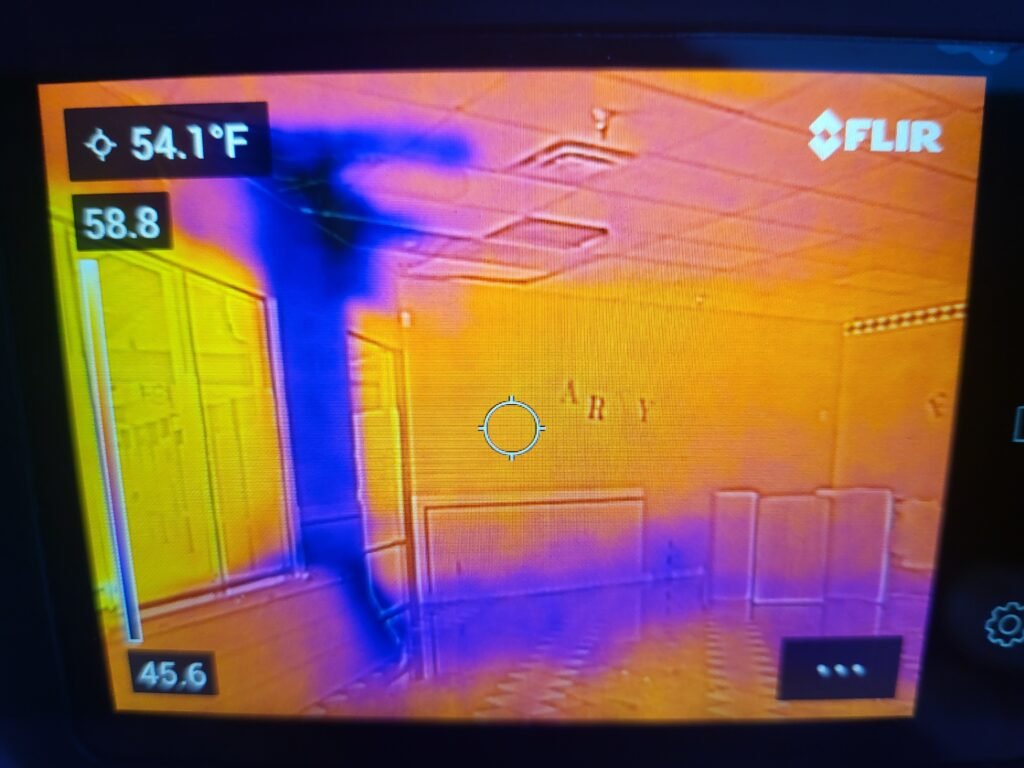
- Cold spots on walls where condensation forms
- Damp basements or crawl spaces
- Stains or discoloration on ceilings or walls
- Allergies that worsen at home
If any of these apply, mold could be growing quietly in hidden areas.
Health symptoms can also be a clue that mold is present even without an odor. Some people experience frequent coughing, sneezing, itchy eyes, or headaches while inside their home. Others may feel more tired than usual or notice breathing discomfort. These symptoms often improve when they leave the house, which can signal that indoor air quality is affected by mold. Because mold spores are microscopic, you cannot see them floating in the air, but your body may still react to them.
Professional mold inspections are designed to look beyond what your nose and eyes can detect. Inspectors use moisture meters, thermal imaging, and air sampling to find hidden problem areas. They check inside walls, under flooring, in attics, and around plumbing. This thorough approach reveals mold that would otherwise remain unnoticed.
Moisture control is the true key to preventing mold growth. Even if your home smells fine today, hidden moisture can lead to mold tomorrow. Fixing leaks quickly, using bathroom fans, maintaining proper ventilation, and keeping indoor humidity below recommended levels all help reduce the risk. Dehumidifiers can be especially useful in basements and other damp spaces.
It is also important to remember that surface cleaning does not solve hidden mold issues. Wiping visible spots without addressing the moisture source allows mold to return. In some cases, cleaning can even spread spores into other areas of the house. A complete approach focuses on finding and fixing the underlying cause before removing mold safely.
Think of mold like a slow moving river beneath your home. You may not see or smell it, but it is still shaping what happens above. Ignoring it because everything seems fine can lead to bigger problems later. Acting early saves money, protects your health, and preserves your property.
Your house does not need to smell bad for mold to be present. Smell alone is not a reliable test. Mold often hides where your senses cannot reach. Paying attention to moisture, symptoms, and warning signs is far more effective. By staying aware and taking action when needed, you can keep your home truly safe and clean, not just pleasant to the nose.