
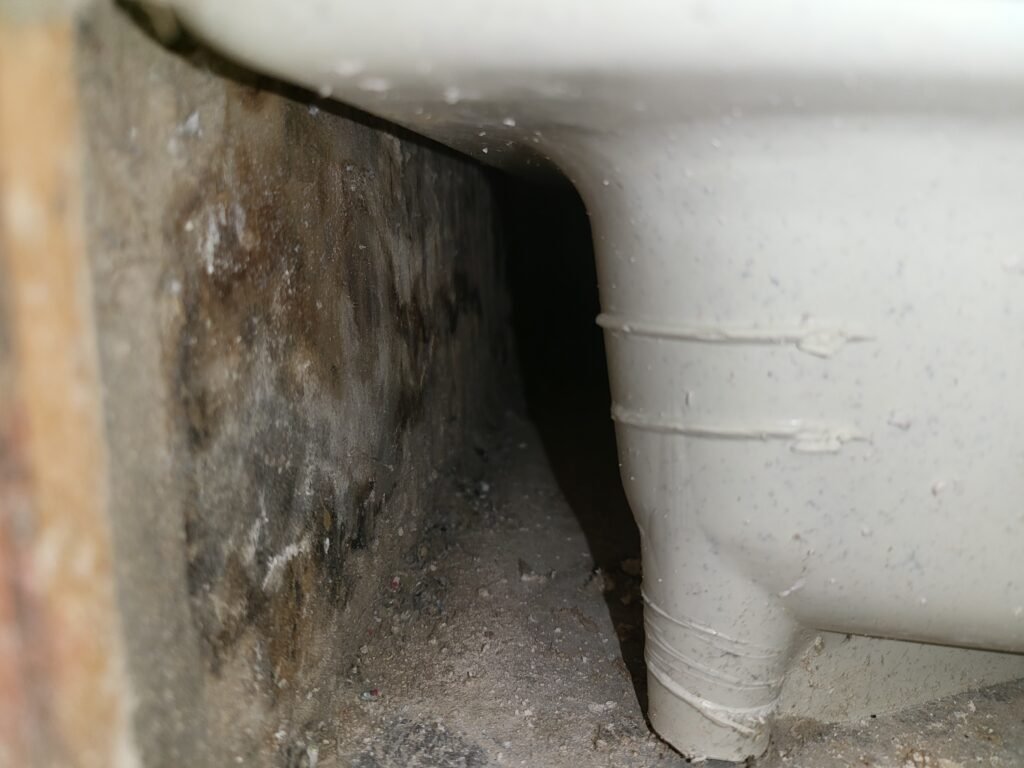
Signs Mold Is Growing Behind Your Shower Walls in Anthem NV
Many homeowners in Las Vegas NV assume that living in a dry desert climate protects them from mold problems. While the outdoor air may be dry, the inside of your bathroom creates a completely different environment. Hot showers, steam buildup, plumbing lines, and sealed tile surfaces can trap moisture behind walls where it remains undetected for months. When moisture becomes trapped behind shower walls, it creates the ideal condition for hidden mold growth. Because this type of contamination develops out of sight, it often causes structural damage and indoor air quality issues long before homeowners realize there is a problem.
One of the most common early warning signs of mold behind shower walls is a persistent musty odor that does not go away with cleaning. Many Las Vegas homeowners scrub tile and grout regularly, yet the smell lingers. This odor is often caused by microbial growth feeding on damp drywall, wood framing, or insulation behind the tile surface. Even if the shower looks clean, deteriorating grout lines or cracked caulking can allow water to seep behind the wall during every use. Over time, repeated exposure to moisture saturates the backing materials and mold can begin growing within 24 to 48 hours under the right conditions.
Physical changes in your shower area may also signal hidden mold. Loose tiles, soft drywall, bubbling paint on adjacent walls, or warped baseboards are strong indicators of moisture intrusion. In Las Vegas homes, hard water mineral buildup often weakens grout and caulking, creating small entry points for water. When tiles begin to shift or feel unstable, that often means the substrate behind them has deteriorated due to prolonged moisture exposure. Staining that appears to spread beyond the shower enclosure may also indicate that mold is expanding behind the wall cavity.
Health symptoms can sometimes be the first noticeable clue. If family members experience increased allergy symptoms, sinus congestion, coughing, headaches, or respiratory irritation that improves when leaving the home, indoor mold contamination may be affecting air quality. Mold spores released behind walls can travel through small openings and circulate through HVAC systems, impacting multiple rooms. Because modern Las Vegas homes are built to be energy efficient and tightly sealed, poor ventilation can allow airborne spores to accumulate indoors.
A professional mold inspection in Las Vegas NV involves more than a surface level evaluation. Certified inspectors use moisture meters to measure water content within building materials and thermal imaging cameras to detect hidden damp areas behind tile and drywall. Air quality testing can determine whether elevated mold spore levels are present indoors compared to outdoor control samples. Identifying the source of moisture is critical because mold remediation without correcting the underlying water intrusion will only provide temporary results.
If mold is confirmed, professional mold remediation includes containment barriers to prevent cross contamination, negative air pressure systems to capture airborne spores, and removal of damaged materials when necessary. Proper drying and moisture control are essential steps in preventing regrowth. Homeowners should never ignore early warning signs because hidden bathroom mold can compromise structural integrity and significantly increase repair costs if left untreated.
For Las Vegas homeowners, routine bathroom maintenance and annual inspections can prevent serious mold damage. Resealing grout, maintaining caulking, repairing plumbing leaks quickly, and ensuring exhaust fans function properly all reduce risk. If you suspect mold behind your shower walls, contacting a licensed mold remediation company in Las Vegas NV is the safest way to protect your home and indoor air quality. Please give us a call.